Ninth Annual Catholic Literature Conference
Faith, Freedom, and Place in American Literature
Saturday, April 25, 2026 | 8:00 AM – 3:00 PM
About the Conference
Join us for the largest annual Catholic literature conference in New England—if not the nation—as we explore foundational, neglected, and new works of American literature. Through engaging presentations on American novels, short stories, and poems, through fellowship and conversation, this conference will take stock of the “literary pulse” of America as we approach the 250th anniversary of the Declaration of Independence.
In his 1835 Democracy in America, Alexis de Tocqueville famously wrote: “Nothing conceivable is so petty, so insipid, so crowded with paltry interests, in one word so anti-poetic, as the life of a man in the United States.” Yet he continues: “But amongst the thoughts which it suggests there is always one which is full of poetry, and that is the hidden nerve which gives vigor to the frame.”
Catholic historian Christopher Dawson wrote in the mid-20th century of the “spokesmen” of the new American culture, “charged with a charismatic mission to the American people as its teachers, prophets, or interpreters.” He argued that “no society lies nearer to the cyclonic path of the forces of world change than the United States. . . . American literature has never been content to be just one among the many literatures of the Western World. It has always aspired to be the literature not only of a new continent but of a New World.”
Do our writers still occupy the roles of teacher, prophet, interpreter? And what wisdom for our own cyclonic times can be gleaned from our nation’s literary treasures?
Sail on, O Union, strong and great!
Humanity with all its fears,
With all the hopes of future years,
Is hanging breathless on thy fate!
—“O Ship of State,” Henry Wadsworth Longfellow
Date & Location
Saturday, April 25, 2026 | 8:00 am – 3:00 pm
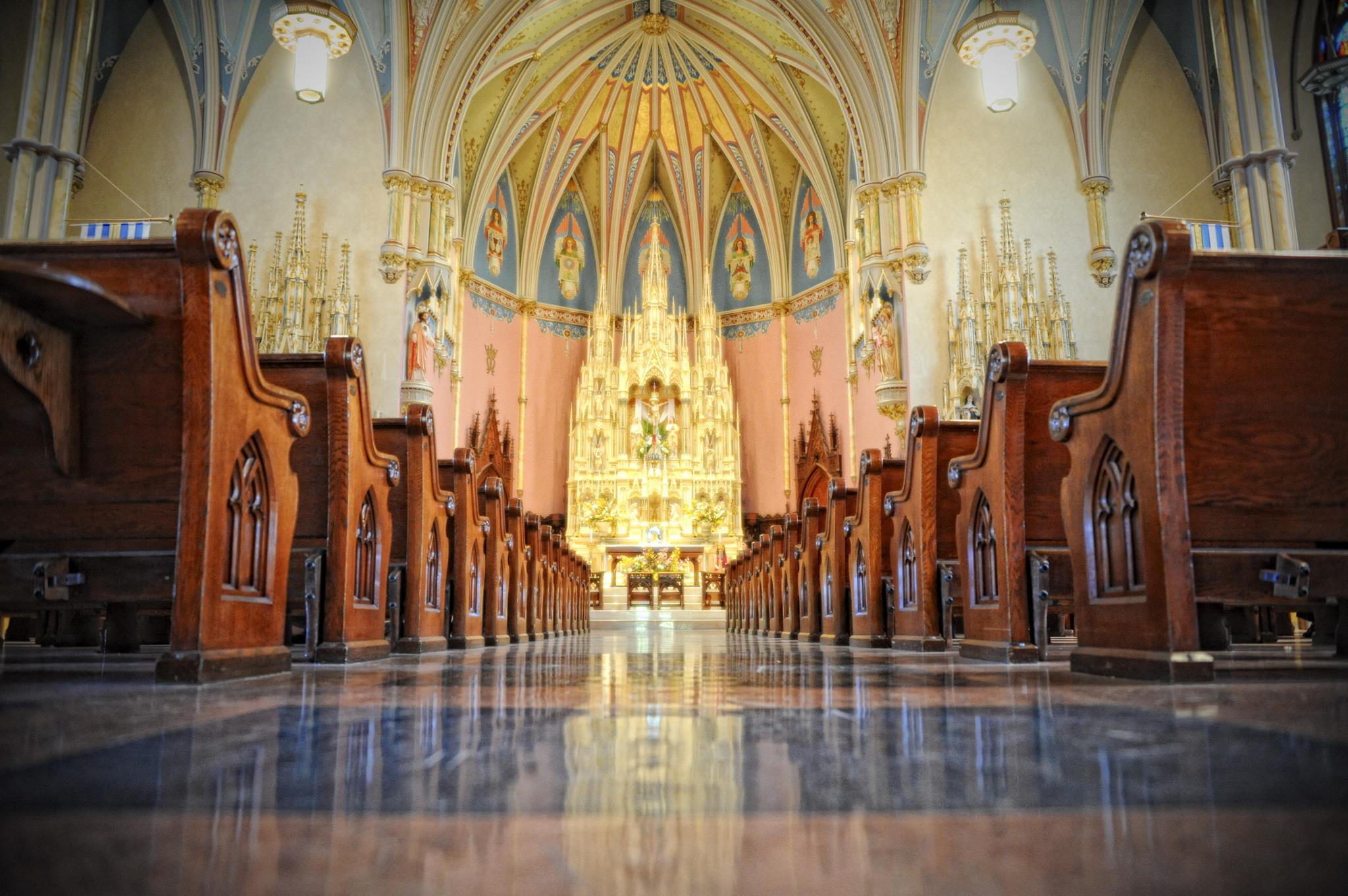
Montminy Hall, Ste. Marie Catholic Church, Manchester, New Hampshire
Conference Schedule
7:15 AM
Mass at Ste. Marie
8:00 AM – 8:15 AM
Registration, Sponsor Tables Open
8:15 AM – 8:30 AM
Invocation and Opening Remarks
8:30 AM – 9:20 AM
Joseph Pearce, “Longfellow’s Evangeline: An American Odyssey”
9:30 AM – 10:20 AM
Matthew Mehan, “Hawthorne’s Rose: A Protoevangelium for America”
10:30 AM – 11:20 AM
Jeremy Beer, “‘The Life of Men’s Souls’: Rediscovering Booth Tarkington”
11:20 AM – 12:00 PM
Lunch, Sponsor Tables With Guest Performance by J.D. and the Stonemasons
12:00 PM – 12:50 PM
Amy Fahey, “A Good Reader is Hard to Find: Flannery O’Connor and the American Short Story”
1:00 PM – 1:50 PM
James Matthew Wilson, “The River of the Immaculate Conception: Poetry and Place in Catholic America”
2:00 PM – 2:50 PM
Panel Discussion: American Literature at 250
2:50 PM – 3:00 PM
Closing Remarks, Benediction, Sponsor Tables
Pricing
Seminarian
& Student Rate
$30
Conference ticket includes a continental breakfast and buffet lunch.
General Registration
$50
Conference ticket includes a continental breakfast and buffet lunch.
Friday Opening Reception
$50
Fifty guests will join us for an exclusive pre-conference event. Combo tickets are also available!
Speakers & Talks

Joseph Pearce, Longfellow’s Evangeline: An American Odyssey
Longfellow’s Evangeline is not merely a classic of American literature; it is also a great historical narrative in the epic tradition and is surprisingly and profoundly Catholic. Joseph Pearce will explain why this great work should be on every Catholic’s reading list.
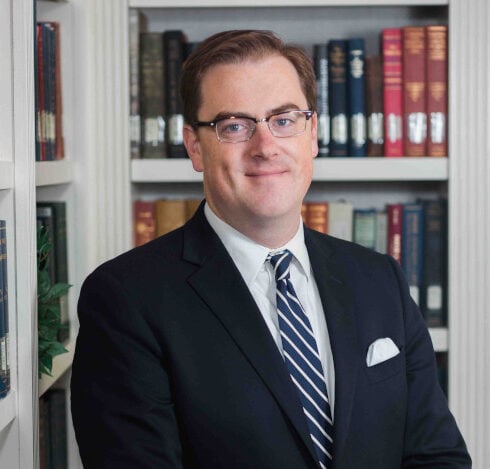
Matthew Mehan, Hawthorne’s Rose: A Protoevangelium for America
Is Hawthorne a mere secularizer of Puritan New England? Or does his nuanced view of faith and reason prepare the soil for the good seed of new faith? Join Matt Mehan in an exploration of Hawthorne’s poetics of nature that follows a tradition of Christian Humanism, which has its roots in Thomas More and Shakespeare.
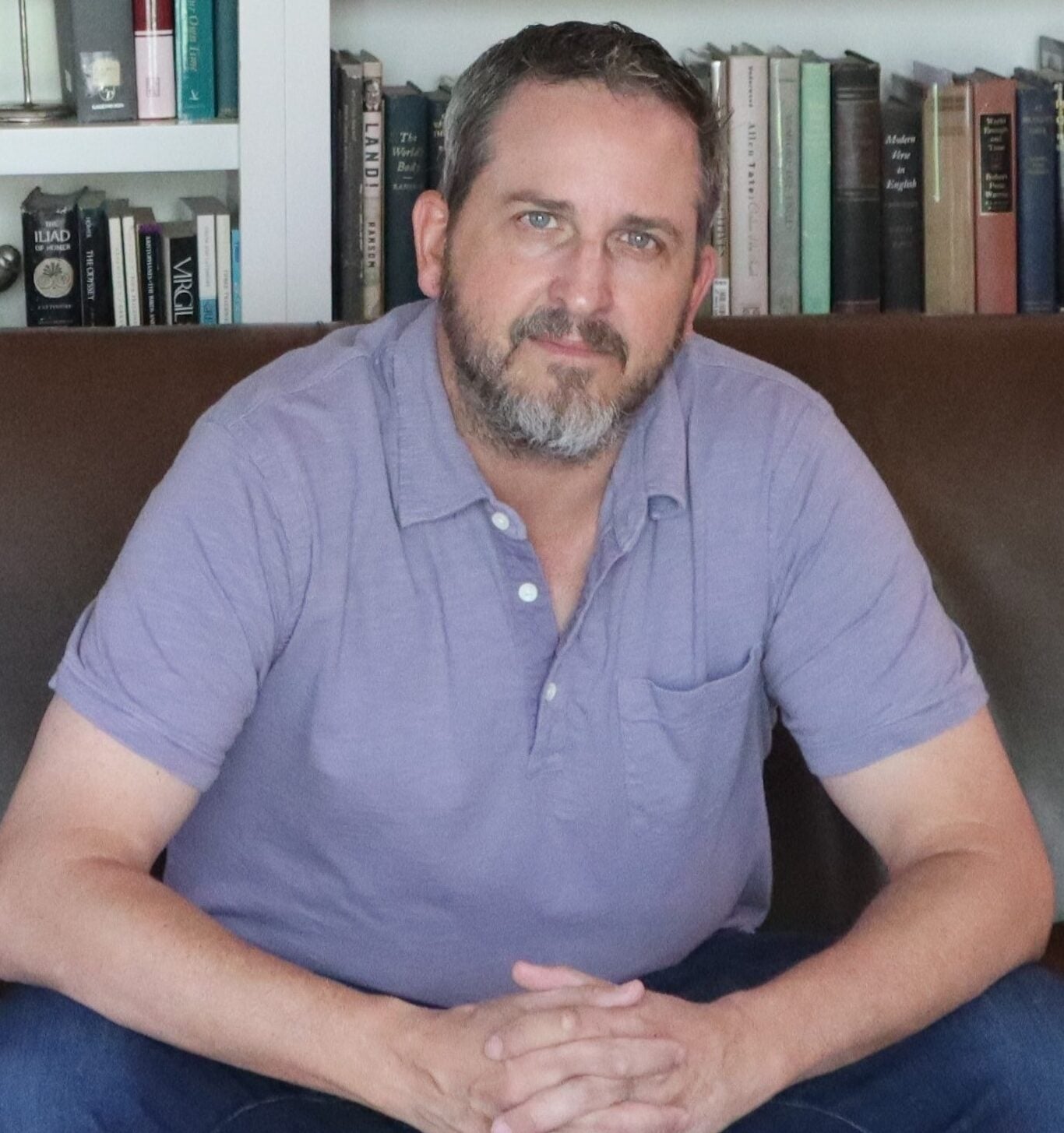
Jeremy Beer, The Life of Men’s Souls’: Rediscovering Booth Tarkington
Booth Tarkington wasn’t Catholic; he wasn’t even a conventional Christian. Yet his major fiction and nonfiction writings convey an understanding of the world, and insights on human nature, that resonate strongly with the Catholic intellectual tradition. Perhaps for that reason more than any other, Tarkington was swept aside by the modernist deluge. In this talk, Jeremy Beer will explain why Catholics should seek out and champion the readable, funny, wise, and unjustly neglected Booth Tarkington.

Amy Fahey, A Good Reader is Hard to Find: Flannery O’Connor and the American Short Story
“Fiction is about being human, and we are made out of dust.” Be prepared to get a little dusty as Dr. Fahey reminds us of what it takes to be a good reader of Flannery O’Connor’s short stories, and of the American short story more generally.
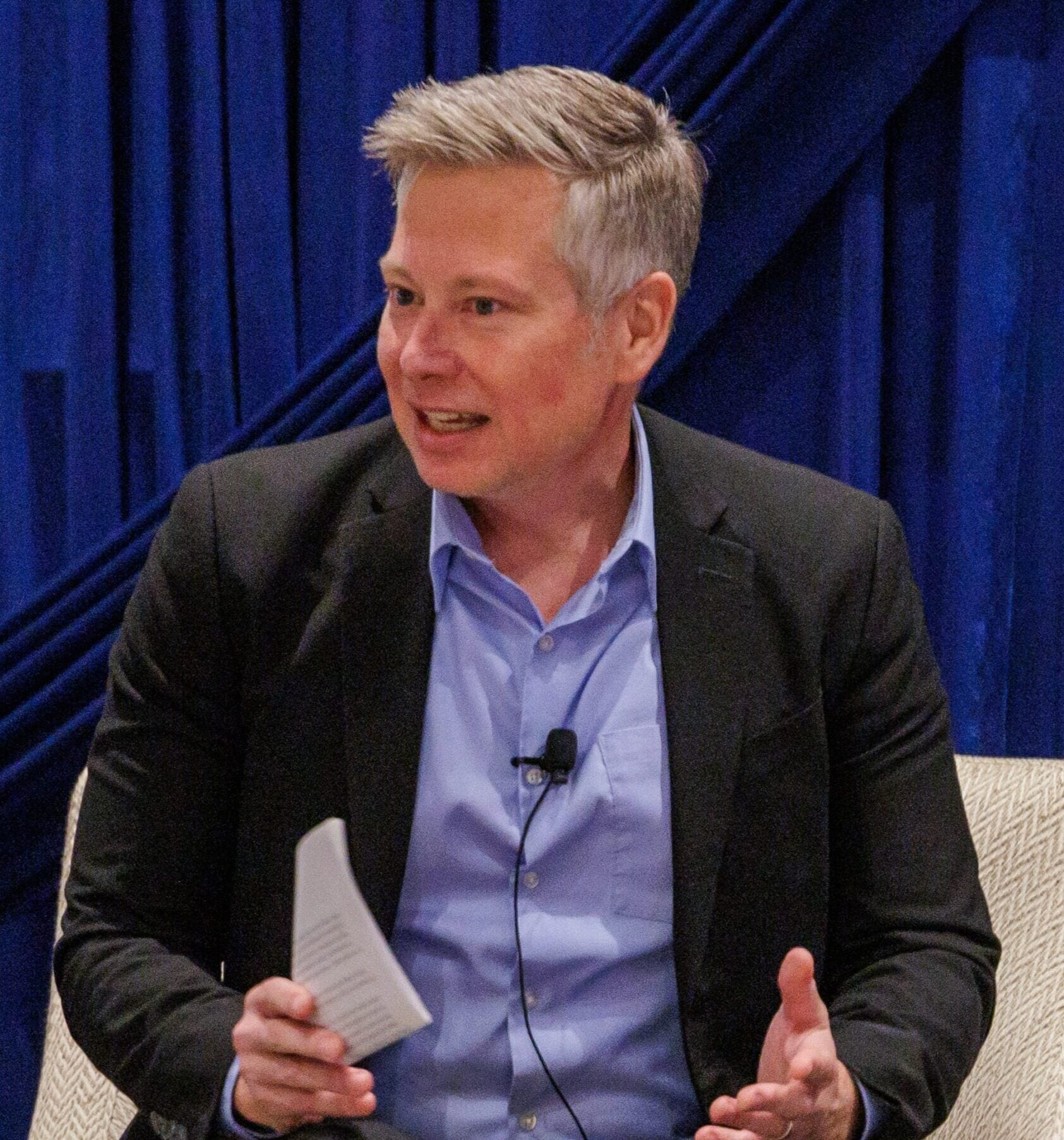
James Matthew Wilson, The River of the Immaculate Conception: Poetry and Place in Catholic America
In “The Gift Outright,” Robert Frost declares of Americans, “The land was ours before we were the land’s.” In the poetic sequence The River of the Immaculate Conception, James Matthew Wilson challenges this theory by considering the Americas as a “place of grace,” as a stage on which the first actor is God who makes possible a land of saints. Wilson will recite from the poem and share the research and reflection that led to its account of America as a “Catholic country,” as a place where human lives are transformed through their encounter not only with one another but with the grace of God.
new in 2026
Friday Opening Reception
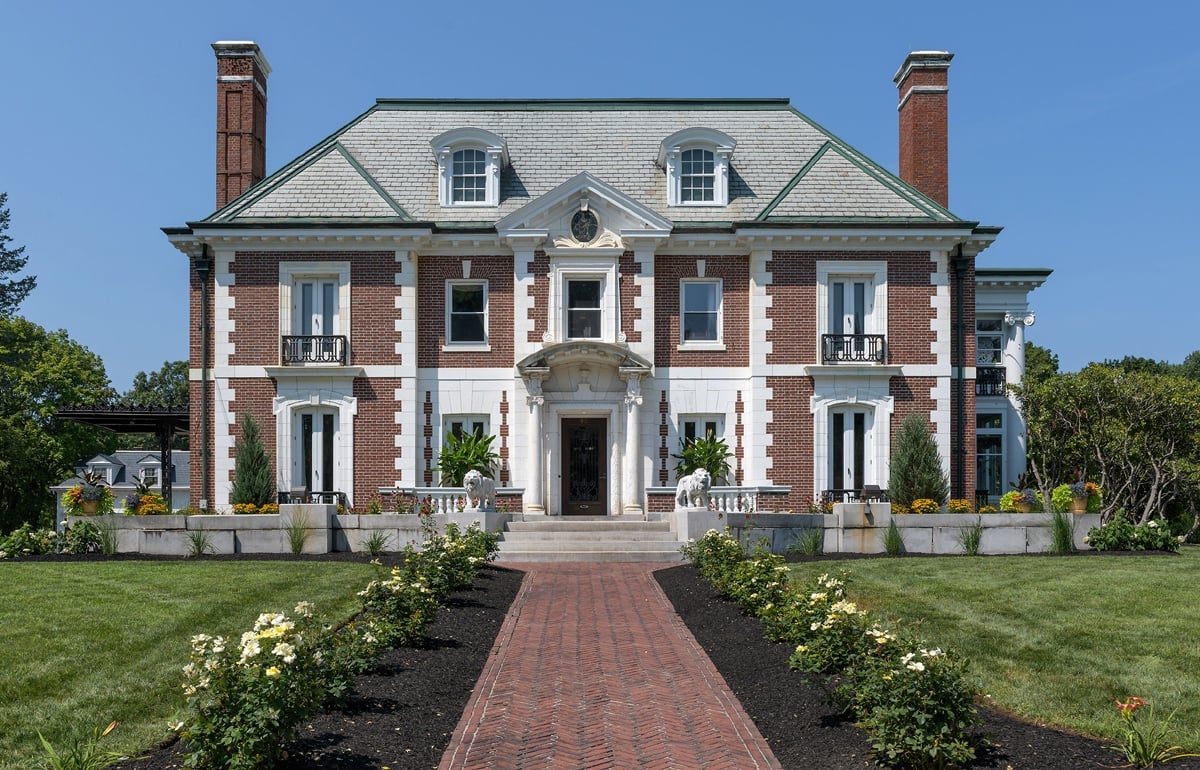
Join us Friday evening, April 24, from 7:00 – 9:00 pm for an exclusive pre-conference event at Mercy Hall, the College’s beaux arts mansion in the heart of Nashua’s historic district. Limited to fifty guests, this wine and cheese reception will include an opportunity to meet and chat with conference speakers, a preview of original art for the forthcoming The American Book of Fables (written by Matthew Mehan and illustrated by John Folley), and classic American tunes performed by the Lilia Rose string quartet.
Event Sponsors









About the Thomas More College of Liberal Arts
At Thomas More College, student and teacher strive together within a single tradition—the great intellectual tradition of the West, of the Catholic Church, of our civilization. From pagan antiquity we learn the care with which we must examine all of our knowledge, not merely as it relates to the world around us, but as it relates to us, to our own lives. Without careful examination, we do not know the origins of our own thoughts. Without the knowledge that comes from such an examination, we have no hope of self-mastery; we remain slaves of the thoughts of others.

Subscribe
Life at Thomas More College is an experience. Learn more about our community by subscribing to our emails.

Apply
Admissions is competitive at Thomas More College. Unlike other colleges, applying is free and the process isn’t overwhelming.

Support
Empower the next generation of Catholic leaders by supporting an orthodox Catholic education.